
Casinos are moving online. Live-stream tables became popular first. Now, virtual dealers powered by AI are here. They deal cards, manage bets, and even chat. The shift is fast, but reactions are mixed. Some players embrace the change at casinos like HellSpin, while others feel uneasy.
The Human Touch
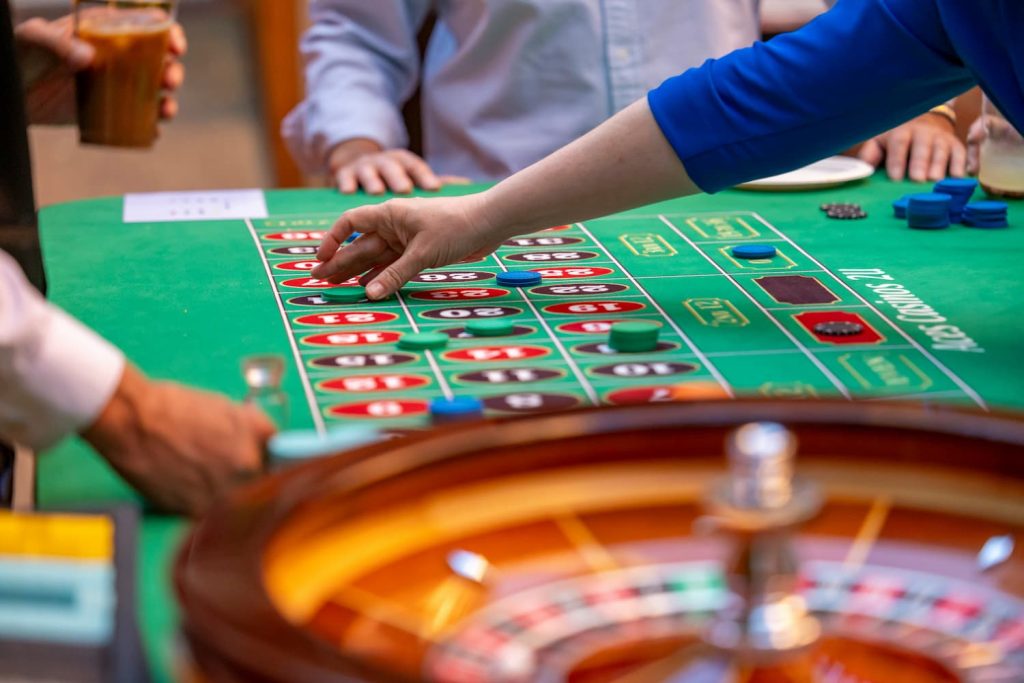
Humans bring warmth. A smile, a nod, or a casual remark changes how a player feels. Many gamblers enjoy small talk with a dealer. It builds trust and creates a sense of fairness. People believe that another human has limits. Machines, however, feel endless and cold.
When Machines Take the Seat
Imagine sitting at a blackjack table. The dealer is not a person. It is a lifelike avatar with a calm voice. The cards fall smoothly, but something feels off. The room is quiet. No laughs. No sighs. Just programmed efficiency. Players often say this feels less real.
Trust in Human Dealers
Gamblers want to feel the game is fair. Human dealers, with their small mistakes and pauses, seem natural. They drop chips or shuffle slowly. These human flaws build trust. They remind players that the game is not scripted. With AI dealers, the perfection feels suspicious.
AI Efficiency vs. Human Warmth
Virtual dealers never tire. They never miscount or slip. For casinos, this is cost-saving and safe. For players, it feels robotic. Humans prefer imperfection in entertainment. Efficiency alone does not create joy. The lack of flaws becomes a flaw itself.
The Emotional Gap
Playing with a real dealer sparks emotion. A win feels more exciting when the dealer shares a reaction. A loss feels softer when paired with a sympathetic look. Virtual dealers cannot share feelings. Their smiles and nods are codes, not emotions. This gap makes trust harder.
Younger Players and AI
Not all players resist. Younger gamblers often enjoy digital dealers. They are used to gaming with avatars. They see AI as part of the experience. For them, the thrill is in the play, not the person. Trust shifts from the dealer to the platform itself.
The Psychology of Fairness
Fairness is not just about odds. It is about perception. Players feel better when they think a human is involved. They assume dealers want fair play. With AI, players often fear hidden bias. The casino may program outcomes in secret. Even with proof, doubt lingers.
Cultural Differences
Reactions vary by culture. In some regions, technology is seen as more trustworthy than people. In others, human contact is valued above all. Casinos must adapt to these cultural expectations. A one-size-fits-all approach will not work.
Blurring the Line
Some casinos mix both worlds. A human dealer is shown on screen but supported by AI systems. The cards are real, yet the shuffling is digital. These hybrids ease the jump into full automation. Still, players notice the difference when human presence fades.
Building Digital Trust
How can casinos make AI dealers feel trusted? Transparency helps. Explaining how the system works reduces fear. Adding elements of personality also matters. AI can mimic humor or empathy. While not real, it may soften the cold edge. Yet players often detect the imitation.
The Future of Casino Interaction
Virtual dealers are not going away. As technology grows, they will become more human-like. Voice tones, facial expressions, and gestures will improve. But the question remains: Will better design erase the gap in trust? Or will players always prefer a living face?
The Social Experience
Casinos are social spaces. People go not only to win but to connect. Chatting with a dealer or other players is part of the fun. Virtual dealers can simulate interaction, but it is scripted. Social depth is thin. Without genuine connection, some players may leave.
AI Dealers and Player Control
Some gamblers like AI for one reason: control. No distractions, no small talk, no delays. The game runs at their pace. For these players, trust comes from consistency. They know the AI follows rules, never moods. This appeals to those who dislike unpredictability in people.